
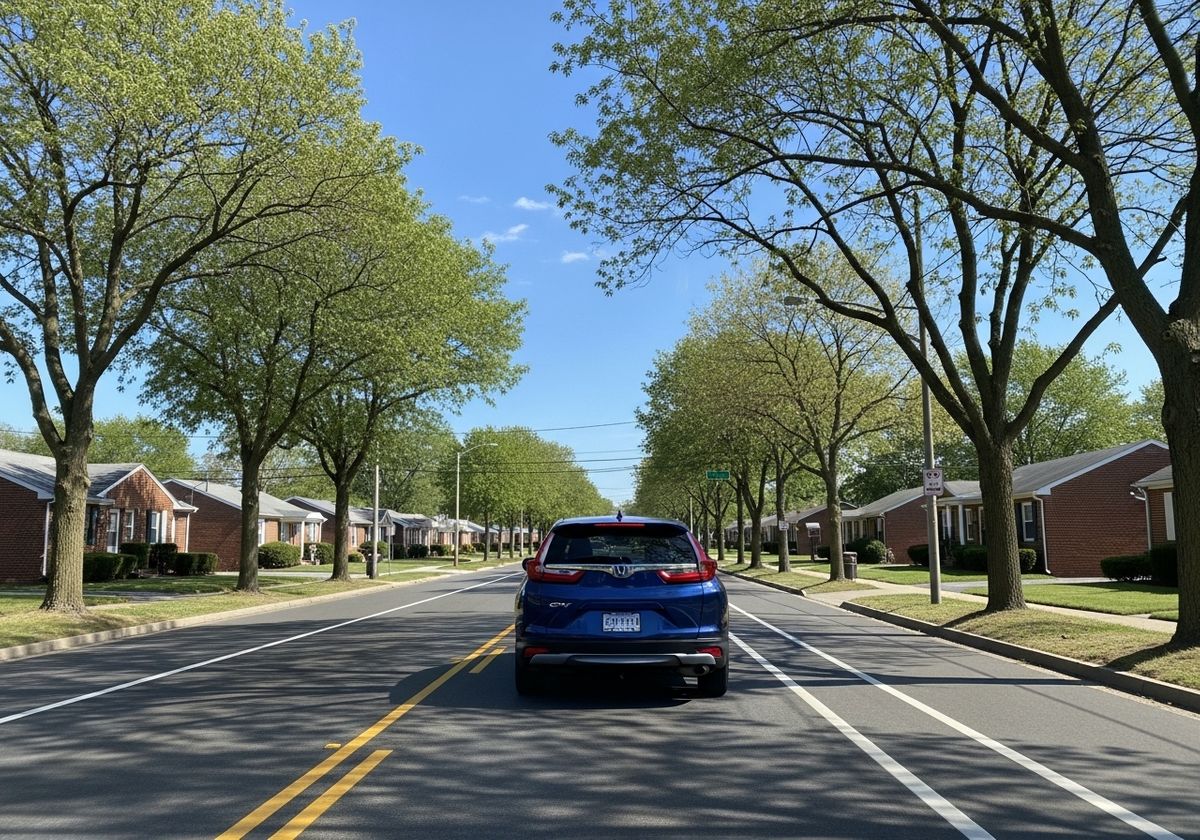
In 2026, with ever-evolving automotive technology and rising fuel costs, maximizing your car's fuel efficiency is more important than ever. Whether you're driving a brand-new hybrid or a trusty older model, simple adjustments to your driving habits and vehicle maintenance can significantly improve your gas mileage and save you money at the pump. Let's explore some key strategies to optimize your fuel efficiency and reduce your carbon footprint.
Regular Maintenance is Key
Keeping your vehicle in top condition is crucial for fuel efficiency. Here are a few maintenance tasks to prioritize:
Tire Inflation: Ensure your tires are properly inflated to the manufacturer's recommended pressure. Underinflated tires increase rolling resistance, which reduces fuel economy. Check your tire pressure regularly, especially with changing temperatures.
Air Filter Replacement: A clean air filter allows your engine to breathe easier, improving combustion and fuel efficiency. Replace your air filter as recommended in your vehicle's owner's manual.
Oil Changes: Regular oil changes with the correct grade of oil reduce friction in the engine, helping it run more efficiently. Follow the manufacturer's recommended oil change intervals.
Spark Plugs: Faulty or worn spark plugs can lead to incomplete combustion, reducing fuel efficiency. Replace spark plugs as recommended.
Smart Driving Habits
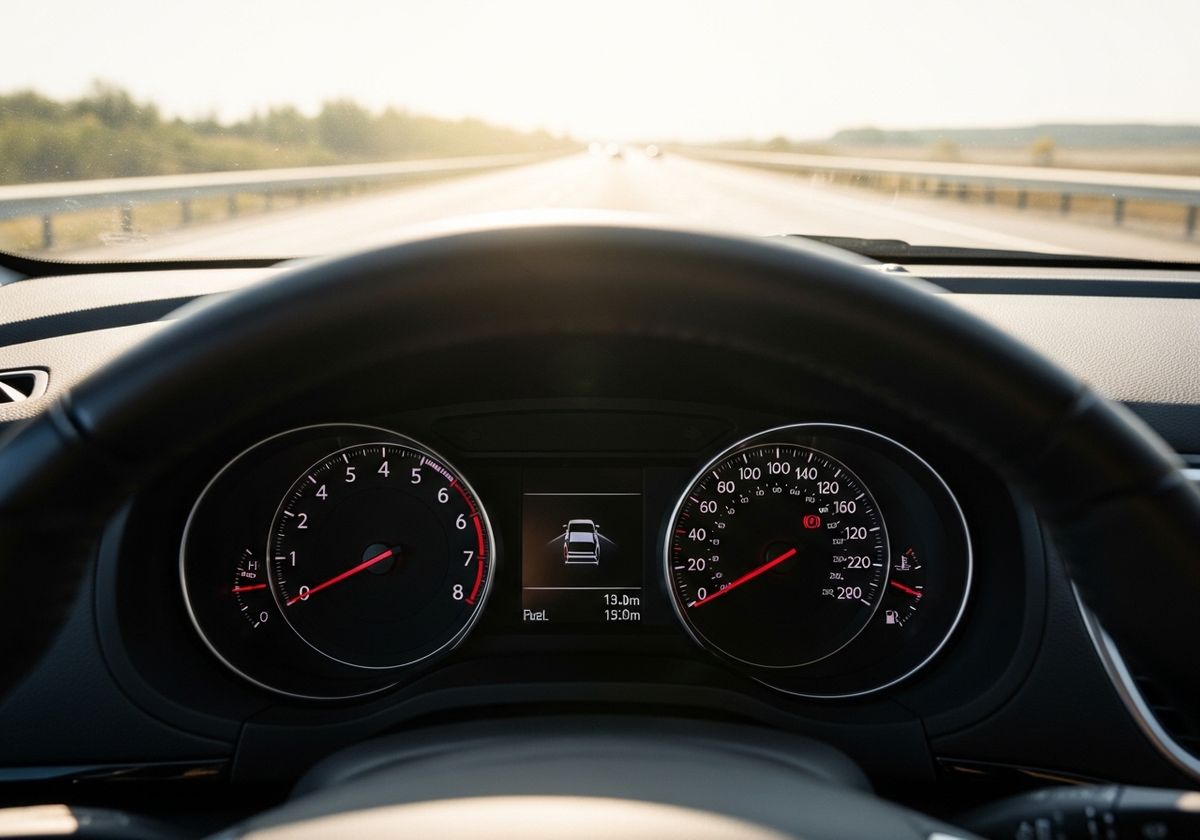
How you drive has a significant impact on fuel efficiency. Adopt these driving habits to save fuel:
Smooth Acceleration and Braking: Avoid rapid acceleration and hard braking. Gradual acceleration and smooth braking conserve fuel and reduce wear and tear on your vehicle.
Maintain a Steady Speed: Use cruise control on the highway to maintain a consistent speed. Varying your speed wastes fuel.
Reduce Idling: Avoid idling for extended periods. If you're stopped for more than a minute, turn off your engine. Restarting your engine consumes less fuel than idling.
Lighten Your Load: Remove unnecessary items from your vehicle. Extra weight reduces fuel efficiency.
Plan Your Trips: Combine errands into a single trip to reduce the number of cold starts, which consume more fuel.
Advanced Technologies and Fuel Efficiency
In 2026, several advanced technologies can help improve fuel efficiency:
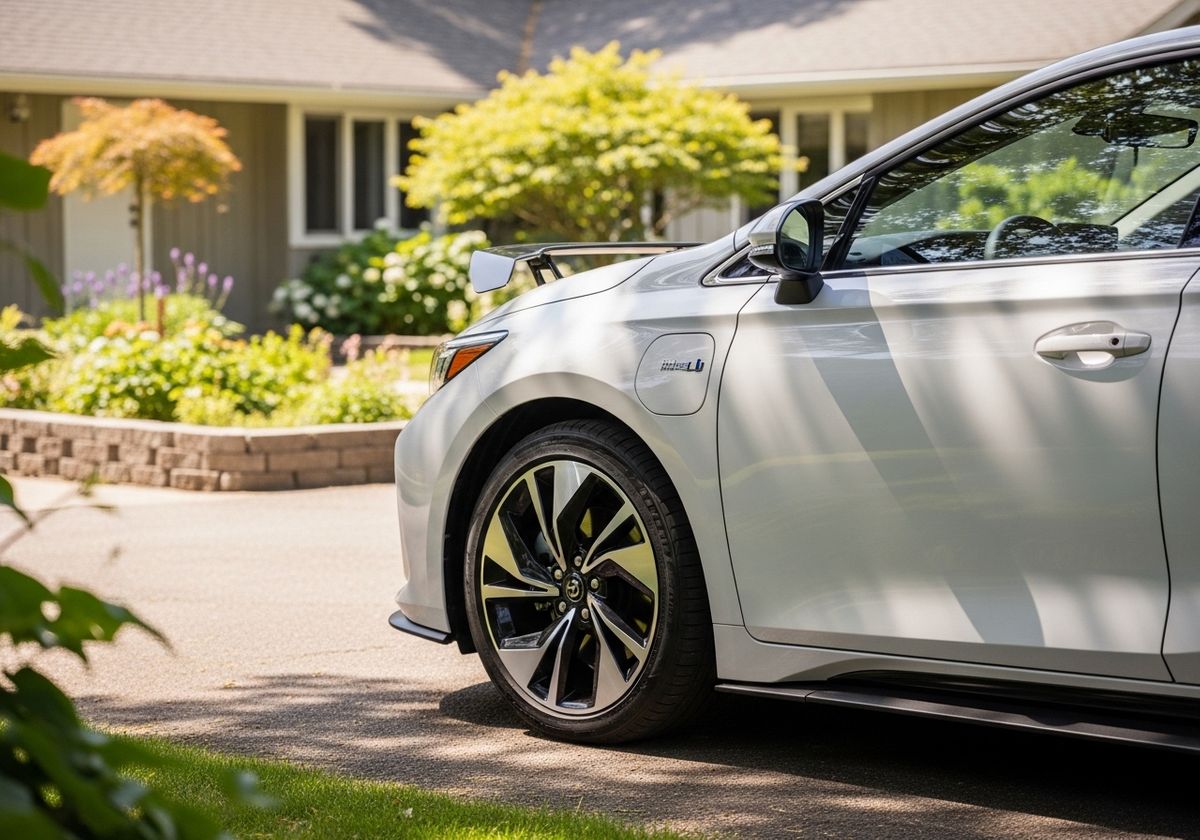
Hybrid and Electric Vehicles (EVs): Consider upgrading to a hybrid or EV for significant fuel savings and reduced emissions. These vehicles use electric power to supplement or replace gasoline, resulting in much higher fuel efficiency.
Fuel-Efficient Tires: Opt for low-rolling-resistance tires designed to improve fuel economy. These tires reduce friction and require less energy to roll.
Aerodynamic Enhancements: Some vehicles come with aerodynamic features like spoilers and underbody panels that reduce drag and improve fuel efficiency.
The Future of Fuel Efficiency
As technology continues to advance, we can expect further improvements in fuel efficiency. Automakers are constantly developing new engine technologies, lightweight materials, and aerodynamic designs to make vehicles more efficient. Staying informed about these advancements can help you make smarter choices when purchasing or maintaining your vehicle.
By implementing these strategies, you can significantly improve your car's fuel efficiency in 2026 and beyond. Regular maintenance, smart driving habits, and embracing advanced technologies are key to saving money and reducing your environmental impact. Remember, Driven by Excellence, Fueled by Trust, Hamilton Auto Care is committed to helping you keep your vehicle running smoothly and efficiently. Whether it's routine maintenance or more complex repairs, our team of ASE certified technicians is here to provide exceptional service and care. Schedule your next service appointment with a trusted auto repair shop and let us help you optimize your vehicle's performance.