
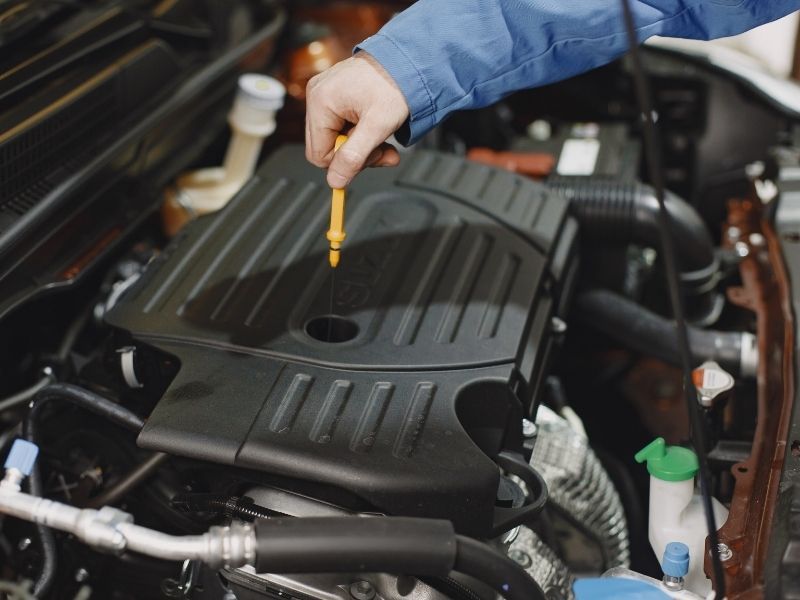
Maintaining your vehicle is essential for its longevity and performance, and one of the most crucial maintenance tasks is regular oil changes. Motor oil lubricates the engine's moving parts, reduces friction, and dissipates heat. Over time, oil breaks down, becomes contaminated, and loses its effectiveness. Neglecting oil changes can lead to severe engine damage, decreased fuel efficiency, and costly repairs. Let's explore why regular oil changes are so important.
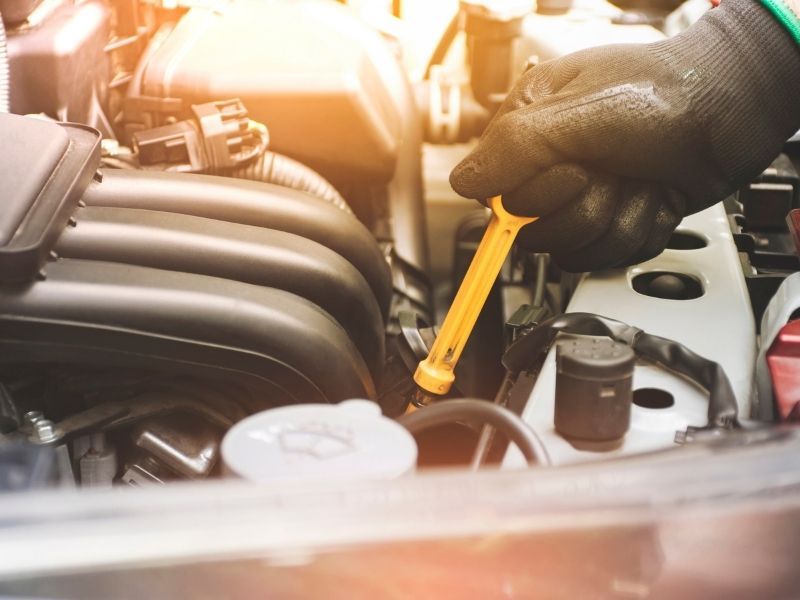
Why Oil Changes Are Important
Regular oil changes offer several key benefits:
Extends Engine Life: Clean oil ensures that engine components are properly lubricated, reducing wear and tear. This helps prolong the life of your engine, preventing premature breakdowns and expensive repairs.
Improves Engine Performance: Fresh oil optimizes engine performance by reducing friction and allowing the engine to run smoothly. This results in better acceleration, smoother idling, and overall improved driving experience.
Enhances Fuel Efficiency: Clean oil reduces friction, which in turn reduces the amount of energy required to move the engine's components. This leads to improved fuel efficiency, saving you money at the pump.
Keeps the Engine Clean: Oil helps to remove dirt, debris, and contaminants from the engine. Over time, these particles can accumulate and form sludge, which can clog engine passages and reduce its efficiency. Regular oil changes remove these contaminants, keeping your engine clean and running smoothly.
Maintains Proper Engine Temperature: Oil helps to dissipate heat from the engine, preventing it from overheating. Old, degraded oil is less effective at cooling, which can lead to increased engine temperatures and potential damage.
Signs You Need an Oil Change
Knowing when to get an oil change is crucial. Here are some common signs:
The Oil Life Monitoring System Light Is On: Modern vehicles have oil life monitoring systems that alert you when it's time for an oil change. Pay attention to this light and schedule a service appointment promptly.
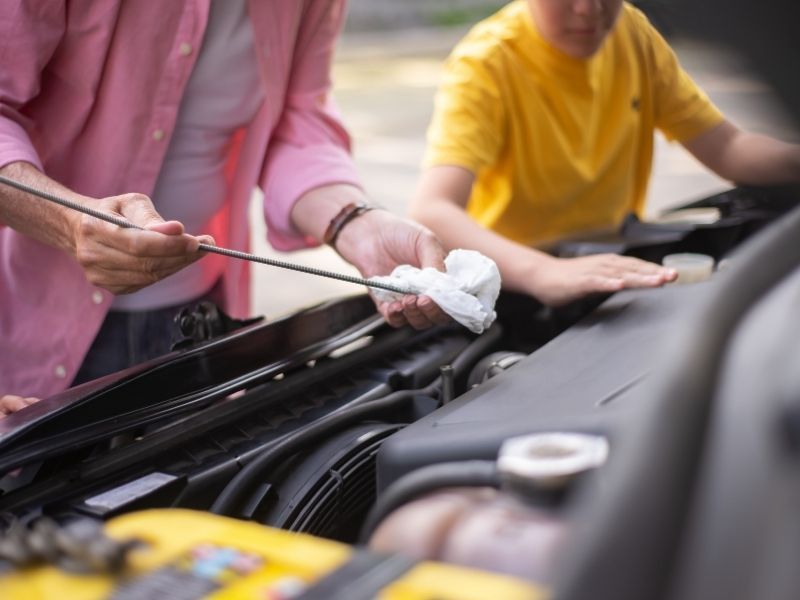
Dark, Dirty Oil: Check your oil level and condition regularly using the dipstick. If the oil appears dark, thick, and dirty, it's time for an oil change.
Engine Noise: Increased engine noise, such as knocking or ticking, can indicate that the oil is not properly lubricating the engine components. This is a sign that you need an immediate oil change.
Decreased Fuel Efficiency: A noticeable drop in fuel efficiency can be a sign of old, degraded oil. If you're filling up your gas tank more often than usual, it may be time for an oil change.
Choosing the Right Oil
Selecting the correct type of oil for your vehicle is essential for optimal performance and protection. Consult your owner's manual for the recommended oil type and viscosity. Consider factors such as your vehicle's age, mileage, and driving conditions when choosing an oil.
Regular oil changes are a simple yet vital part of vehicle maintenance. By keeping your engine properly lubricated and clean, you can extend its life, improve performance, and save money on costly repairs. Pay attention to the signs that you need an oil change and choose the right oil for your vehicle. For trusted auto repair and Hamilton auto service, remember that Hamilton Auto Care, Driven by Excellence, Fueled by Trust, is here to help! Schedule your next oil change with us and experience the difference.