
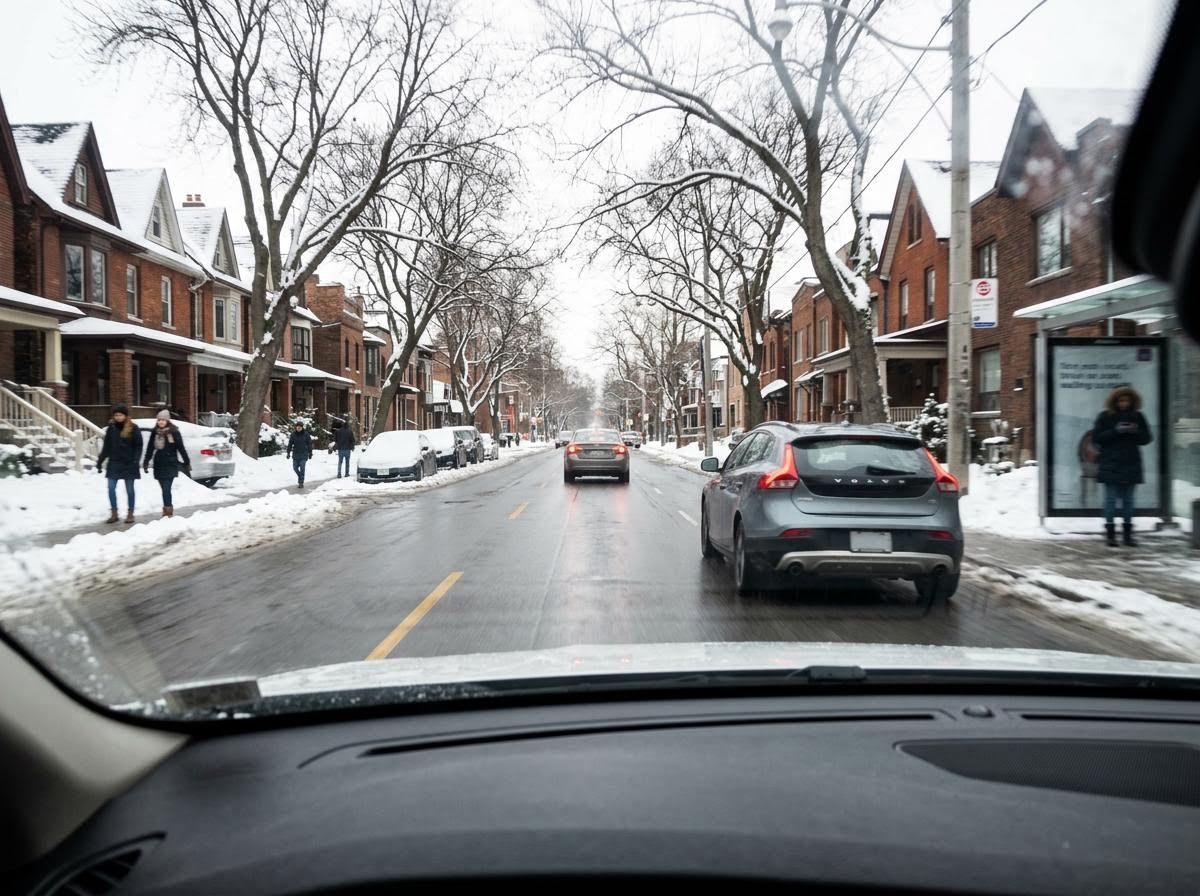
When the chill of a new season arrives or the summer heat intensifies, you might notice an unexpected guest on your dashboard: the Tire Pressure Monitoring System (TPMS) light. It’s a common occurrence that often leaves drivers wondering why their tires seem to be acting up, especially when they haven't experienced a puncture. At Hamilton Auto Care, we believe an informed driver is a safer driver, and understanding this system is key to maintaining your vehicle's health and your peace of mind. Let’s explore the fascinating science behind why temperature fluctuations can trigger your TPMS warning.

Understanding Your TPMS
Your vehicle's Tire Pressure Monitoring System is a vital safety feature designed to alert you when one or more of your tires are significantly under-inflated, potentially creating unsafe driving conditions. Each tire contains a sensor that constantly monitors its internal air pressure. This data is then transmitted wirelessly to your car's onboard computer. When the pressure in a tire drops below a predetermined safe threshold, your TPMS light illuminates, signaling that it's time to check your tires. While it often signals a puncture, sometimes the cause is less dramatic.
The Science of Temperature and Tire Pressure
The core reason temperature affects your tire pressure lies in basic physics, specifically the relationship between temperature, pressure, and volume of gases. Air, like all gases, expands when heated and contracts when cooled. This is governed by the Ideal Gas Law. So, when the ambient temperature drops significantly, the air inside your tires becomes denser and takes up less space, leading to a decrease in internal pressure. Conversely, on a very hot day, the air expands, and pressure increases. Even a modest drop in temperature can translate to a noticeable decrease in tire pressure, often around 1-2 PSI (pounds per square inch) for every 10-degree Fahrenheit drop.

Why Small Changes Matter to Your TPMS
Car manufacturers set specific pressure thresholds for your TPMS to activate. These thresholds are typically about 25% below the recommended tire pressure. Since the system is designed to detect significant under-inflation for safety reasons, even a small, temperature-induced pressure drop can push your tires just past this critical point. For instance, if your recommended pressure is 32 PSI, and a cold snap drops it to 24 PSI, your TPMS light will come on. The system is doing exactly what it's supposed to do: warning you about potentially unsafe tire conditions, even if no air has actually escaped from your tire.
Maintaining proper tire pressure is crucial for several reasons beyond just avoiding a warning light. Correctly inflated tires ensure optimal handling, better fuel efficiency, and a longer lifespan for your tires. Under-inflated tires can lead to increased rolling resistance, excessive heat buildup, premature wear on the tire edges, and a higher risk of blowouts.
Understanding why your TPMS light activates during temperature changes helps you respond effectively and proactively to your vehicle's needs. While a temperature-related alert often doesn't mean a flat tire, it always means your tire pressure needs attention. For comprehensive tire inspections, certified car repairs, and expert advice on maintaining your vehicle, our local car repair shop is here to provide reliable service. As a top auto shop in the area, Hamilton Auto Care encourages you to schedule a visit to speak with our experts about your tire health and other auto care needs.